
Primary hip replacement is one of the most successful and commonly performed orthopaedic procedures worldwide. It is designed to relieve pain, restore mobility, and significantly improve the quality of life for patients suffering from severe hip damage. Whether caused by arthritis, injury, or long-term wear and tear, hip pain can affect daily activities, independence, and overall well-being. A primary hip replacement helps people regain comfort and freedom of movement with long-lasting results.
What Is Primary Hip Replacement?
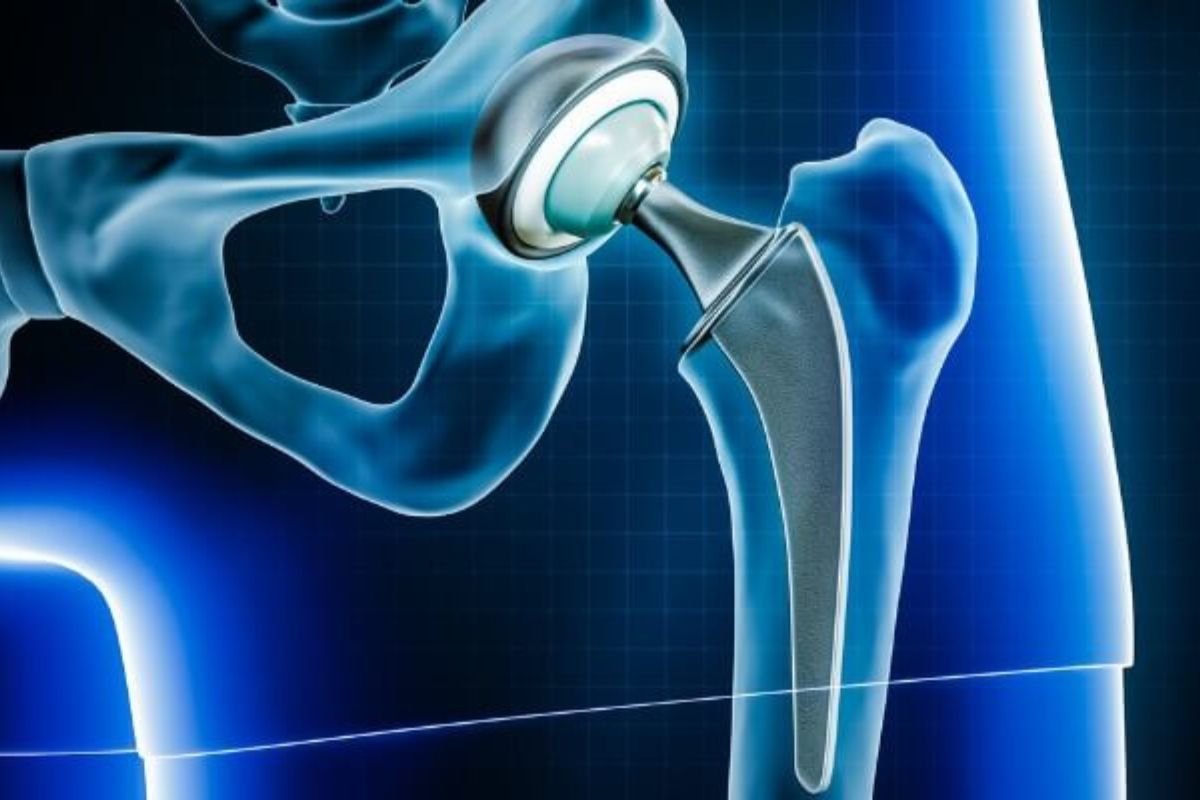
Primary hip replacement (also called Total Hip Arthroplasty) is a surgical procedure in which a damaged hip joint is removed and replaced with highly durable artificial components. These implants are made from metal, ceramic, or high-grade polyethylene and are designed to function like a natural, healthy hip.
Who Needs a Hip Replacement?
You may be a candidate for primary hip replacement if you experience:
- Persistent hip pain that affects walking, sitting, or sleeping
- Reduced mobility or stiffness in the hip joint
- Difficulty performing daily activities like climbing stairs or standing up
- Osteoarthritis, rheumatoid arthritis, avascular necrosis, or hip fractures
- No relief from medication, physiotherapy, or lifestyle changes
Dr. Rajeev Kumar assesses each patient individually to ensure surgery is recommended only when truly needed.
Benefits of Primary Hip Replacement
A successful hip replacement offers several life-changing benefits:
- Significant pain relief
- Improved mobility and flexibility
- Ability to walk comfortably
- Increased independence and activity levels
- Long-lasting joint function (many implants last 15–20+ years)
How the Procedure Works
The surgery typically involves:
- Removing the damaged bone and cartilage from the hip joint
- Inserting a metal stem into the femur (thigh bone)
- Placing a ceramic or metal ball on top of the stem
- Replacing the hip socket with a durable cup implant
- Ensuring smooth, stable movement between the ball and socket
Dr. Rajeev Kumar uses advanced, minimally invasive techniques whenever possible to reduce pain, blood loss, and recovery time.
Recovery and Rehabilitation
Most patients begin walking with support within 24–48 hours after surgery. Full recovery usually takes 8–12 weeks, with steady improvement in strength and mobility.
Rehabilitation includes:
- Guided physiotherapy sessions
- Home exercises to strengthen hip muscles
- Gradual return to daily activities
- Follow-up visits to monitor healing
Many patients experience dramatic improvements in pain and function within the first few weeks.
Why Choose Dr. Rajeev Kumar?
With nearly 20 years of experience and more than 4,000 successful orthopaedic surgeries, Dr. Rajeev Kumar is known for:
- Expertise in primary and revision hip replacements
- Precision-driven surgical planning
- Compassionate patient care
- Advanced minimally invasive techniques
- Excellent surgical outcomes across India and Africa
